
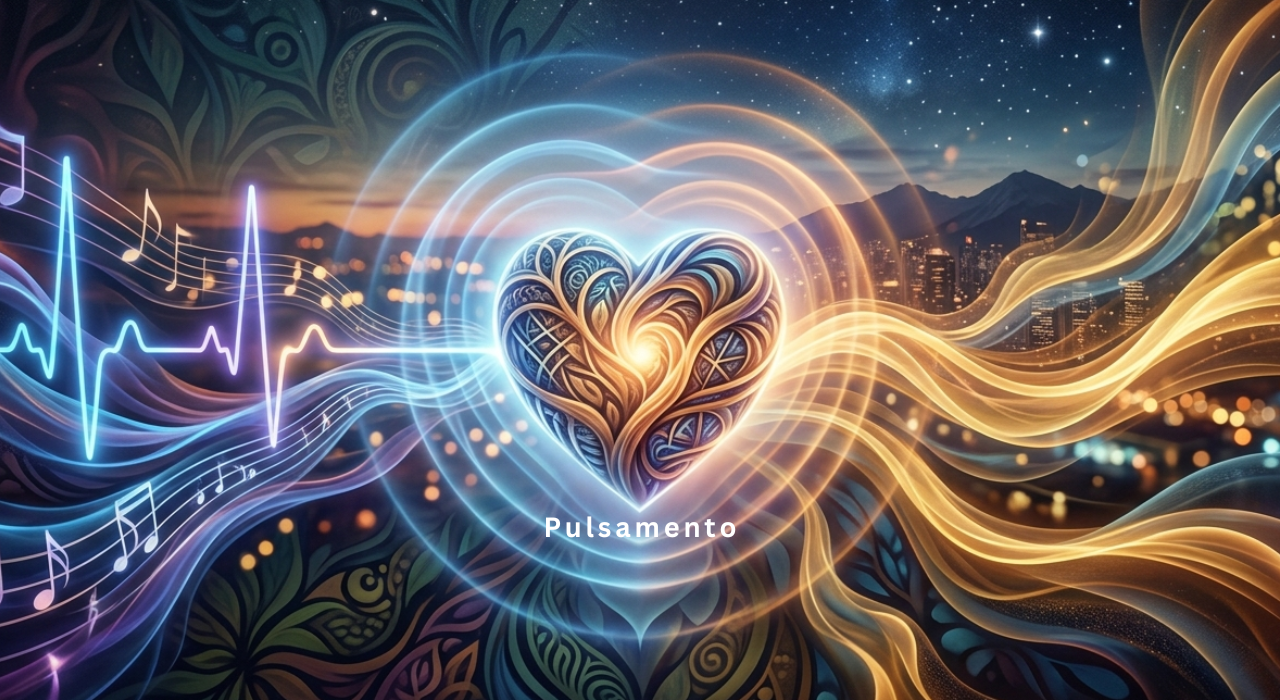
Have you ever felt a sudden, rhythmic thrumming in your fingertips after a long run? Or perhaps you’ve been swept away by the steady, driving beat of a bass guitar at a concert? In Italian, this phenomenon is captured by a single, evocative word: pulsamento.
While it literally translates to “pulsation” or “throbbing,” the concept of pulsamento runs much deeper than a simple medical definition. It represents the underlying cadence of existence—the biological drumbeat of our hearts, the structural foundation of musical masterpieces, and the metaphorical “vibe” of a bustling city.
In this guide, we will explore the multifaceted world of pulsamento, from its physiological roots to its essential role in the arts and everyday life.
The Biological Foundation: Pulsamento in the Human Body
At its most fundamental level, pulsamento is the physical manifestation of our circulatory system at work. Every time your heart contracts, it sends a wave of pressure through your arteries. This isn’t just a mechanical process; it is the very rhythm of survival.
Why We Feel a Pulse
When we talk about a “pulsing” sensation, we are usually feeling the expansion and contraction of arterial walls. This is most noticeable in areas where arteries run close to the skin, such as the wrist (radial pulse) or the neck (carotid pulse).
- Heart Rate Regulation: Your pulsamento fluctuates based on your emotional state, physical activity, and overall health.
- The “Throb” of Recovery: After intense exercise, the sensation of pulsamento in the ears or extremities is simply the body working overtime to deliver oxygenated blood to tired muscles.
- Signaling Issues: Occasionally, a localized “pulsamento” (like a twitching eyelid or a throbbing temple) is the body’s way of signaling stress, fatigue, or dehydration.
Pulsamento in Music: The Heartbeat of the Composition
In the world of music theory and performance, pulsamento refers to the steady, underlying beat that governs a piece. It is the “pulse” that the audience taps their feet to, even if the melody becomes complex or syncopated.
The Difference Between Beat and Rhythm
While often used interchangeably, pulsamento (the pulse) is the constant, whereas rhythm is the pattern of sounds placed on top of it. Think of the pulse as the heartbeat and the rhythm as the breath—one is steady and foundational, the other is expressive and varied.
Why a Strong Pulse Matters
A musician with a weak sense of pulsamento will struggle to keep a band together. Whether it’s a high-energy techno track or a slow, mournful cello suite, the pulsamento provides:
- Structural Integrity: It keeps all performers synchronized.
- Emotional Impact: Faster pulses generally trigger excitement or anxiety, while slower pulses evoke calm or sadness.
- Physical Response: It is the element of music that triggers “entrainment,” where our own biological rhythms (like breathing) begin to sync with the music.
Comparing Pulsamento Across Different Contexts
To better understand how this “pulse” manifests in various fields, let’s look at this comparison table:
| Field | Primary Driver | Manifestation | Human Experience |
| Biology | The Heart | Arterial pressure waves | Vitality, health, and exertion |
| Music | Tempo/Metronome | The underlying “downbeat” | Movement, dance, and emotion |
| Physics | Wave Mechanics | Oscillations and vibrations | Sound, light, and frequency |
| Urban Life | Social Activity | The “flow” of crowds/traffic | Energy, excitement, and “the grind” |
The Psychology of the “Pulse”
Beyond the physical and the auditory, there is a psychological dimension to pulsamento. We often talk about “having our finger on the pulse” of a trend or a community. This metaphorical use of the word suggests an intuitive understanding of the current energy or direction of a group.
Finding Your Own Rhythm
In a world that often feels chaotic, many people suffer from a “disrupted pulse.” This can manifest as burnout or a feeling of being out of sync with one’s goals. Cultivating a personal pulsamento—a consistent routine or “rhythm of life”—can significantly improve mental well-being.
- Circadian Rhythms: Our internal biological clock is a form of pulsamento that dictates when we sleep and wake.
- Flow States: When we are “in the zone,” our internal pulse aligns perfectly with the task at hand, leading to peak performance and deep satisfaction.
Technical Pulsamento: Physics and Engineering
In technical terms, pulsamento describes the periodic variation of a quantity. This is crucial in engineering and physics, where understanding “pulsing” forces can prevent a bridge from collapsing or help a radio station broadcast its signal.
Oscillations and Frequencies
Every object has a natural frequency. When an external force matches that frequency, the “pulsamento” can become amplified—a phenomenon known as resonance.
- Electronics: Pulsating currents are used in everything from LED dimmers to signal processing.
- Mechanical Engineering: Engineers must manage the “throb” or vibration of engines to ensure longevity and safety.
How to Enhance the “Pulse” in Your Creative Work
Whether you are a writer, a musician, or a designer, incorporating a sense of pulsamento can make your work more engaging.
1. Vary Your Pacing
In writing, pulsamento is achieved through sentence length. A string of short, punchy sentences creates a fast, urgent pulse. Longer, flowing sentences slow the reader down. Mixing these creates a dynamic “beat” that keeps the reader interested.
2. Establish a Theme
In visual arts, repeating colors or shapes creates a visual pulsamento. This repetition guides the viewer’s eye across the canvas in a rhythmic way.
3. Focus on Consistency
Just as a drummer must remain steady, a brand or a creator must maintain a consistent “pulse” of content or quality to build trust with their audience.
Frequently Asked Questions (FAQ)
What is the literal meaning of pulsamento?
Pulsamento is an Italian word that translates to “pulsation,” “throbbing,” or “beating.” It refers to any rhythmic, periodic motion or sensation, most commonly associated with the heartbeat or the beat in music.
Is pulsamento the same as tempo?
Not exactly. Tempo refers to the speed of the music (how fast or slow it is), while pulsamento refers to the presence of the underlying beat itself. You can have a very slow tempo that still has a very strong, distinct pulsamento.
Why do I feel a pulsamento in my stomach?
It is actually quite common to feel a pulse in the abdomen, especially when lying down. This is usually the abdominal aorta, the body’s largest artery. While often normal, if it is exceptionally strong or accompanied by pain, it’s always best to consult a medical professional.
How can I improve my sense of pulsamento in music?
The best way to improve your internal pulse is by practicing with a metronome. Start at a slow speed and focus on “burying the click”—meaning your note should happen at the exact same microsecond as the metronome’s sound.
Can stress affect my internal pulsamento?
Absolutely. Stress triggers the “fight or flight” response, which increases your heart rate and can lead to a sensation of “pounding” or “throbbing” throughout the body. Techniques like deep breathing can help regulate this rhythm.
Final Thoughts
Pulsamento is more than just a heartbeat; it is the invisible thread that connects our biology to our creativity and our environment. It is the steady hand in a chaotic world, the “one-two” of a drum kit, and the vibrant energy of a city at night.
By understanding and aligning with the various pulses in our lives—whether they are biological, musical, or metaphorical—we can find a greater sense of harmony and purpose. Next time you feel that steady thrum in your chest or tap your foot to a song, remember that you are experiencing the universal language of pulsamento.
Also Read: Snapjotz com: The Ultimate Guide to Effortless Digital Note-Taking
1 Comment
Comments are closed.